
It is easy to overcomplicate product management. Frameworks, roadmaps, prioritization models. But the PMs who consistently Interim product leadership forces a question that permanent roles let leaders avoid: if the team knows you are temporary, what earns their trust?
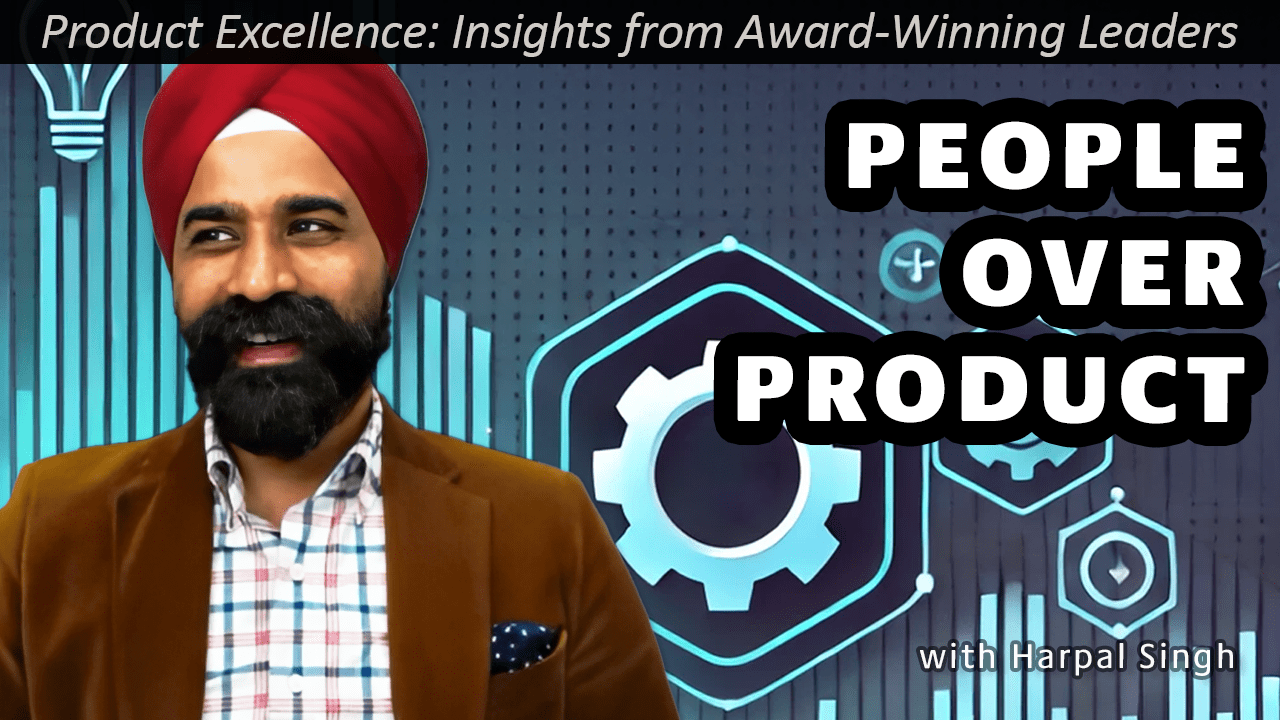
Harpal Singh has answered that question more than a dozen times. Across 13+ interim CPO engagements at companies including Ada Health, Automata Robotics, and Selligent, he has led product organizations of 10 to 12 product managers where both sides understand the engagement has an end date. That constraint eliminates some of the most common tools managers use to build credibility: accumulated history, positional authority, and the slow demonstration of competence through long-term results.
What people-first leadership looks like under constraints
Harpal describes a specific trade-off that defines his approach: he would rather compromise the quality of the product than fail to give his people what they need to succeed. That statement sounds like the kind of thing leaders say without testing. In interim roles, it gets tested constantly.
When you enter a new team with limited time, every allocation decision reveals priorities. Time spent understanding what each person needs to grow is time that could have gone toward delivery. Choosing the person over the output has a visible cost. And that visibility is precisely what makes it work, because the team sees the choice being made in real time.
Why interim roles accelerate leadership development
Interim leadership compresses the feedback loop on management decisions. In a permanent role, the effects of management style play out over quarters or years. In an interim engagement lasting 9 to 10 months, the effects surface almost immediately. A team either responds to the leader’s approach or it does not, and there is limited time to course correct.
Harpal describes orienting every action around making the existing team successful. The reasoning is direct: because the engagement is temporary, the interim leader can only succeed if the team succeeds. That interdependence is always present in management, but interim roles make it impossible to ignore.
How teams evaluate authenticity
One of the most practical observations from this conversation is that teams can detect whether a leader’s stated investment in their growth matches their actual behavior. The gap between what a leader says and what a leader does is visible to the people being led, even when the leader believes it is hidden.
This applies well beyond interim roles. Any product leader managing a team is being evaluated on the consistency between their stated values and their daily decisions. The interim context makes the principle more visible, but the principle itself operates everywhere.
Harpal also shared how his approach to mentorship and hiring evolved across two decades of product leadership, and the specific moments that shaped his understanding of what people need from the person managing them.
📺 Watch the full clip on YouTube and subscribe to The Product Way for more Product Excellence conversations.
📺 Watch the Episode Now:
#ProductManagement #ProductLeadership #CareerGrowth #ProductExcellence
About the Podcast:
| Product Excellence: Insights from Award-Winning Leaders | Strategies for Success |
| “Product Excellence: Insights from Award-Winning Leaders | Strategies for Success” brings you behind the scenes with the top product management minds who have shaped some of the world’s most successful products. Each episode features award-winning product leaders sharing their real-world experiences, lessons learned, and the strategies that have driven their success. From building innovative digital products to navigating the complexities of stakeholder management, you’ll hear firsthand how these experts have achieved product excellence. Whether you’re an aspiring product manager or a seasoned leader, this podcast offers valuable insights, actionable takeaways, and inspiration to elevate your product management career. Tune in WEEKLY to discover the key strategies that make products—and product leaders—truly exceptional. |
 The Product Guy